Iconic Indian Restaurants Are Going Pan-India – Will They Keep The Magic Alive?
· Free Press Journal
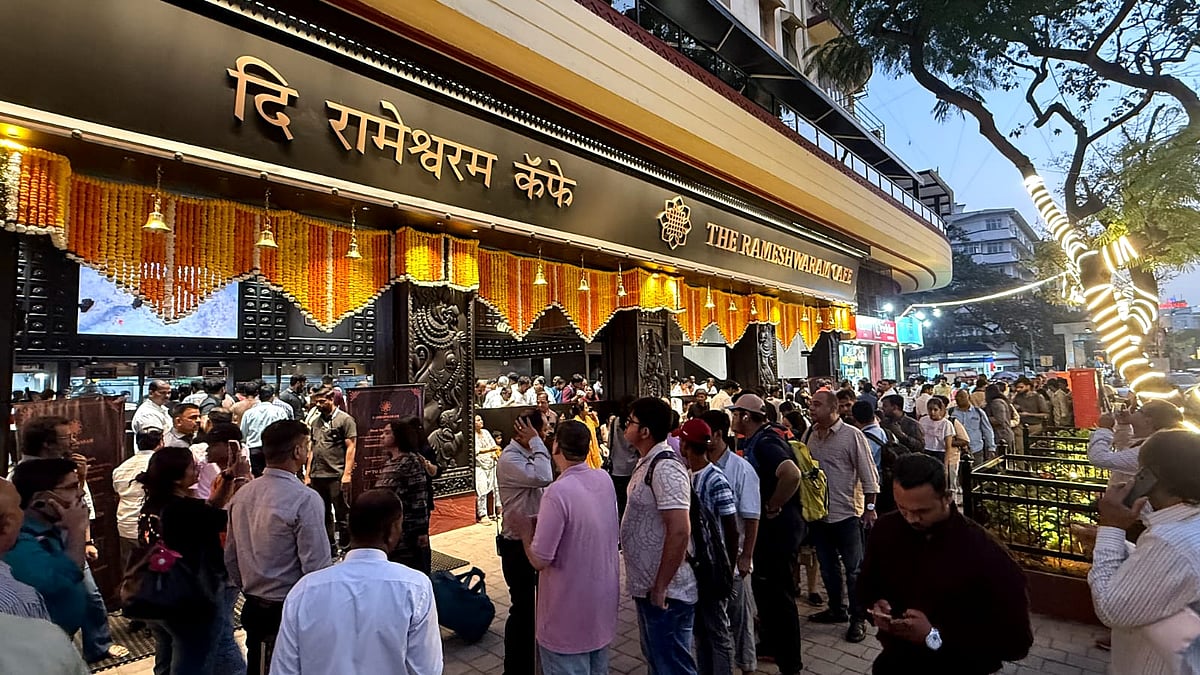
The Indian hospitality industry is entering an interesting phase wherein iconic names are travelling beyond their place of origin. Recently, Bengaluru’s iconic Café Rameshwaram opened in Pune and Mumbai, while Kolkata’s Flurys now has outlets in Mumbai and New Delhi. Comorin and Fireback are already a year old in Mumbai. And Toscano from Bengaluru is also settling in Mumbai.
Out and beyond
Visit rouesnews.click for more information.
Raghavendra Rao, founder of The Rameshwaram Café, did not want to limit the café to one particular state or city. “We want to take the pride of our South Indian culture everywhere. Before going global, we want to build our presence across India. That is why we have expanded to cities like Hyderabad, Pune and Mumbai and will continue to expand further.”
In a similar mindset, Rajesh Singh, National Head – Operations and Development, Flurys, mentions understanding a huge ‘Flurys Family’ all over the country, especially during the pandemic. “Our decision to move beyond our city of origin was driven by a desire to transition from being a ‘once-a-year’ ‘occasion-based’ nostalgic destination to a ‘daily delight' for patrons in cities like Mumbai, Bhubaneswar, Hyderabad, Indore, Darjeeling, Gangtok, and Siliguri.”
Bold move
Mumbai-based communications professional and foodie Zainabb Badani loves exploring the city’s ever-evolving culinary landscape. “What stands out across these experiences is that truly iconic places create a sense of familiarity, aspiration, and emotional connection.”
She sees the expansion of these iconic F&B brands as a bold move. “A brand like Toscano, which built its identity around trattoria-style dining, sets a strong benchmark from its very first outlet—replicating that experience across cities requires precision. Similarly, legacy or contemporary icons, carry a strong sense of culture and curated experience.”
Singh, too, calls expansions a calculated leap – going from being a ‘local legend’ to a 'national icon’. In a hyper-connected market, stagnation risk outranks the risk of expansion, he states. “If a brand has a strong soul, that ‘DNA’ can be successfully transplanted into any city as long as the core values remain non-negotiable; it’s about replicating an emotion at scale.”
The wrong side
Abhishek Bhasin and Rohan Monga, founders of Namastey Culture (a community-based platform for food, culture, and experience curation), feel that even the smallest difference is noticed somewhere else when a place is loved in one city. “That’s why when a brand like Benne came to Delhi, what stood out was how it carried the same ethos, menu, and warmth. That’s what people look for.”
For Zainabb, concerns regarding quality and standards are valid as customers connect iconic brands with a certain benchmark. “From personal experience across Mumbai’s café circuit, consistency can be a challenge even within the same city itself. When brands expand, variables such as ingredient sourcing, staff training, and operational control can directly impact the end experience. As a result, many of these complaints stem from genuine comparisons with the original outlet and the expectations that come with it.”
While moving beyond one’s comfort zone, Rao feels the challenges are often noticed, including factors like weather and water. “For South Indian food, water plays a major role. We try to maintain the same TDS and pH levels that we get in Bangalore, especially similar to Kaveri water, which is ideal for our cuisine. We also have a centralised warehouse in Bangalore from where we source most of our materials. Once the ingredients are consistent, maintaining quality becomes easier.”
He calls his SOPs very strong. They maintain consistency across locations with methods like using proofing chambers for temperature control to ferment the Idli and Dosa batter.
Key considerations
For Rao, the most important factor is location. “Along with that, compliance aspects need to be considered, as not all places meet these requirements. The method of cooking also impacts taste, so that needs to be planned carefully. We also consider the surrounding environment and neighbours to ensure there is no disturbance.”
The customer in Zainabb considers core identity protection a critical thought. It includes keeping the signature dishes, service style and overall vibe intact. “I also suggest measured expansion, since rapid scaling often leads to dilution. What many brands underestimate is that they are not just scaling a restaurant but also a reputation and emotional connection with their customers.”
What works for brands to expand successfully is having a ‘Glocal’ mindset. This is what Singh thinks. Firstly, he suggests having supply chain integrity to help the ingredients to survive diverse climates without losing character. “Adapting service styles to local sensibilities without compromising the brand’s core, especially in Tier-II cities where the expansion scale is higher.”
He also suggests keeping the soul factor alive. He thinks many brands recreate the décor but not the ethos. You should heavily invest in training the staff to take the brand’s distinct hospitality viewpoint.
Game changers
Rao calls the expansion to other cities a game-changer in the hospitality industry. “South Indian food is gaining a lot of recognition, and people are understanding its value and culture. There is a tremendous opportunity, not just in India but globally as well.” He finds that this growing acceptance gives the brands a strong chance to expand further.
Singh feels expansion is raising the bar for the industry, and making newer players compete with brands established in the craft. It also helps them innovate. “But brands risk losing their identity if they scale without adapting to local contexts. The way forward is thoughtful growth – staying rooted in the brand’s core while interpreting it locally, investing in strong teams, and expanding selectively over aggressively.”
Are Bar Takeovers The Biggest Trend In India’s Bar Scene Right Now?Abhishek feels that such food brands serve more than meals. They become part of the people’s memories. That’s why an iconic name expands. “What people are really looking for is not just the same menu, but the same feeling they experienced the first time. In our experience, brands that truly stand the test of time are the ones that grow with care. They understand that people don’t come back just for food but for a sense of familiarity and comfort.”
Monga, meanwhile, sees the future of restaurant brand expansion being driven by technology-led efficiency, smaller, high-efficiency footprints, and aggressive growth in Tier 2 and 3 cities. “While premium concepts exist, value-led brands are experiencing rapid growth by aligning with high-volume, price-conscious consumers, particularly in emerging Asian markets.”
We only hope that big names keep their promise in providing authentic tastes with their expansion.