Why Markets Crack In March? Nifty’s 11-Year Data Shows Wild Swings From +10.43% Rally To -23.25% Crash
· Free Press Journal
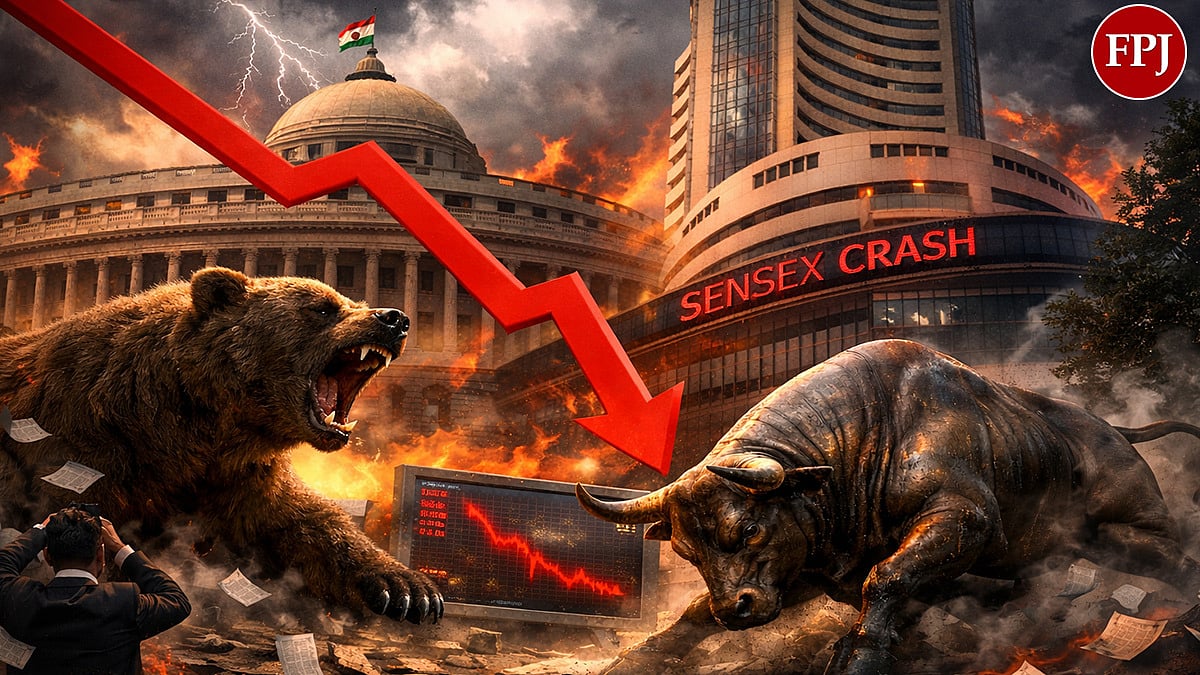
Mumbai: If there is one month that brings the most uncertainty to the stock market, it is March. Data from the past 11 years shows that the Nifty index behaves unpredictably during this period. Some years deliver strong gains, while others see sharp falls, often surprising investors.
Visit newsbetsport.bond for more information.
According to a research report by Kedia Commodity, Nifty’s performance between 2014 and 2025 clearly shows that March is a tricky month. It is neither consistently strong nor weak. Instead, it is known for large ups and downs.
March 2026 Trading Calendar Out, Stock Market To Remain Shut 12 Days Including Holi & Ram Navami — Plan Your Trades CarefullyFor example, in 2016, the market saw a sharp rally of about 10.43 percent in March. Similarly, 2019 and 2025 also recorded positive returns. However, the downside risks are equally high. The biggest shock came in March 2020, when Nifty crashed nearly 23.25 percent during the COVID-19 crisis, as global markets faced panic.
More recently, March 2025 also saw a steep fall of around 10.44 percent, showing that sudden declines are still possible.
When we look at the average data, March gives a modest return of about 0.40 percent. This means that while the month may appear slightly positive over the long term, the volatility within it is very high. In simple terms, March offers both risk and opportunity.
Middle East Tensions Rattle Markets, Nifty & Sensex Slip Nearly 3%; Geopolitical Risks & Oil Supply Concerns To Drive Market Mood This WeekThere are several reasons why markets move so sharply during this time. March marks the end of the financial year, leading to activities like book closing and tax planning. Global funds also rebalance their portfolios. In addition, the impact of the Union Budget becomes clearer, and companies prepare their annual financial results.
All these factors together create strong market movements.
For investors, the lesson is clear. Continue SIP investments as usual, but be careful with lump sum investments. Market corrections can offer good buying opportunities, while rallies can be used to book profits.
Understanding March is important because it often sets the tone for the rest of the year. Investors who understand this trend can manage their portfolios more effectively and avoid sudden shocks.
Disclaimer: This article is for informational purposes only and not investment advice. Market investments are subject to risks. Investors should consult certified financial advisors before making any investment decisions or financial commitments.