'We Try Everything Out And Let The Music Decide': Pop Band SANAM On Reinventing Classics & Shaping Their Sound
· Free Press Journal
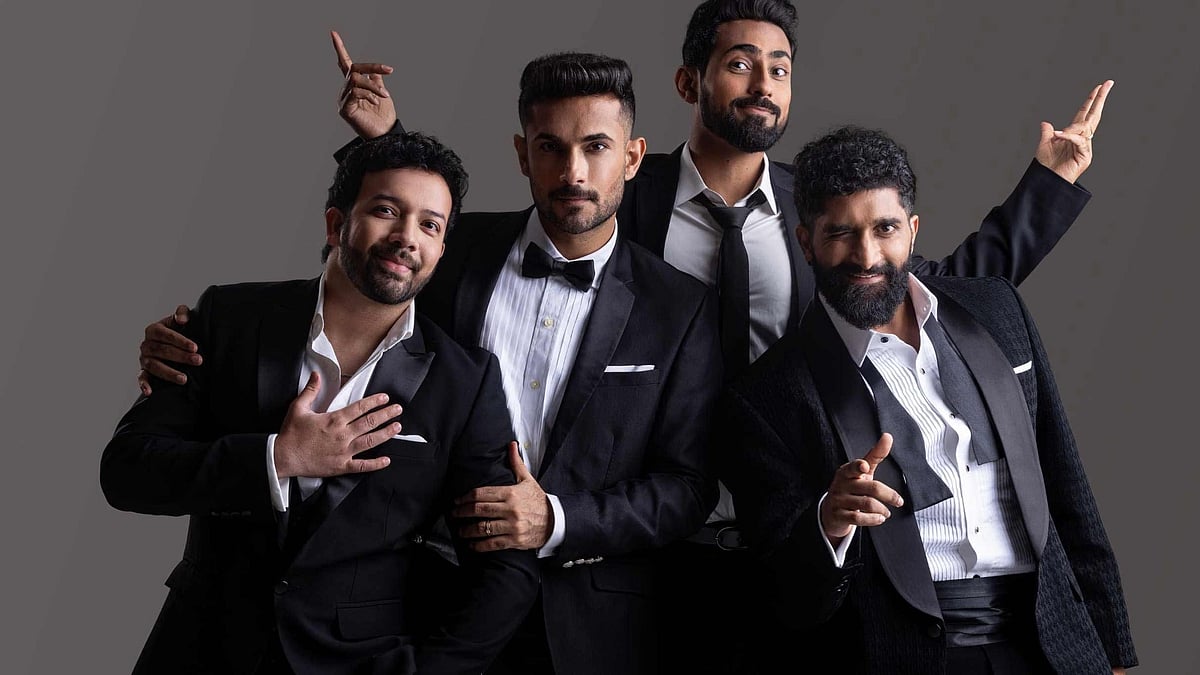
The Indian pop music scene has witnessed several exciting acts making waves, and popular boy band Sanam stands out among them. Formed in 2010, the band features Sanam Puri on vocals, Samar Puri on lead guitar, Venkat S on bass, and Keshav Dhanraj on drums.
The band recently performed in Pune, and ahead of their concert, The Free Press Journal caught up with them to talk about their renditions of Bollywood classics, their creative journey, and what lies ahead.
Visit rouesnews.click for more information.
Excerpts from the interview:
What makes performing in a city like Pune special?
Sanam Puri: Pune has always been one of our favourite cities to perform at. It is not just about the energy; it is about the attention. They actually listen and sing along with us every time. It’s truly a fun experience for us all.
What is the most exciting and scariest part about performing live?
Keshav Dhanraj: The best part is when the crowd takes over and sings along. It is something you can never get over. It feels special every time. The scary part is that live shows depend on so many moving parts. One small technical issue can throw everything off, so we are always alert and ready for the worst.
How have you seen the music industry change within the country and globally?
Samar Puri: The biggest shift has been how direct everything has become. Earlier, there were layers between the artist and the listener. Now that the connection is immediate. At the same time, there is so much content that it is very easy to get lost. So, the real challenge is to stay honest and create something that stays with people.
What milestones have changed your band’s journey?
Venky S: The first milestone was in 2010: winning a Times Music competition for original music called SUPASTARS. Our trajectory changed after we rebranded as SANAM at the launch of the promotional song for the India release of The Amazing Spider-Man.
We soon hit our first million subscribers on YouTube – that kept the ball rolling as we released renditions of revered Indian classics, Rabindra Sangeet and some Bollywood and international hits. We were further able to reach out and interact with audiences of the Indian diaspora in different parts of the world through our live concerts.
What inspires your renditions of classic Bollywood songs?
Venky S: Our ability to add our own expression while trying to learn a classic at the time of rendering it is where the inspiration comes from. It allows us to explore different genres and the sounds that encompass them, and makes us write arrangements with a fresh perspective. Sometimes, these classics are chosen because of their appeal and their relevance to us. At times, it’s indulgent, and the song has a special connection with us or how we might have been introduced to it growing up.
How do you balance originals and covers?
Samar Puri: Covers are our way of showing respect to the music we grew up with, and originals are where we really express who we are today. When it comes to originals, we have had different processes. Sometimes one of us makes the entire core of the song. Then we all work on making it better. Sometimes we all compose from scratch. Sometimes one person brings in an idea, and we work on that until it feels right for all of us. It keeps changing.
How has your music evolved over the years?
Keshav Dhanraj: In the process of doing so many renditions, we explored a wide range of sounds and styles, and somewhere along the way, we moved a little away from the core sound that we started with. However, we are now reviving that original identity in a much larger and more refined manner, leveraging all the experience we have gained over the years.
How do you deal with creative differences?
Samar Puri: We have been together for so long that differences are just a part of the process now. The good thing is that there is a lot of trust. We try everything out and let the music decide. Usually, it becomes very clear what serves the song best.
How is the indie music scene in India today?
Venky S: Younger artists explore new genres and styles with a lot of conviction. Music production software and tools have really empowered music creators everywhere. There is a notable crossover from indie to label-backed releases, with notable acts like Hanumankind and Bloodywood breaking out internationally in their respective rap and metal audiences. I love exploring new acts at indie music festivals and dig that acts like PCRC, Prateek Kuhad, and the F16S have built fan bases that are able to tour internationally. Shout out to my bud Rishab Rikhiram Sharma for killing it with sitar for Mental Health. India is also now a hot destination for international music festivals and artist bookings. It’s quite an exciting time.
'I Value The Freedom To Create The Music I Want': Grammy-Winning Musician L. Shankar On Crossing Genres FearlesslyWhat has been the most memorable moment of your career?
Venky S: For me, performing as SQS Supastars to a college crowd at VJTI, Mumbai, in 2010 was one of the most memorable because we had the whole crowd learning and singing back our original songs from our first album, forever etched in my mind. Apart from that, all the milestones led us to personal interactions with fans at concerts, bringing us gifts and showing us their love and appreciation. It’s always nice to see a familiar face amongst a crowd, and these are the ones who show up no matter what. There was this village in the Maldives where we were treated like rockstars. That was the first time we must have experienced this adulation.
What is next for SANAM?
Keshav Dhanraj: We are going on our first North American tour, which is something we have been looking forward to for a long time. At the same time, we are working on new original music that really reflects where we are today as a band.