Tome And Plume: Playwright Shudrak Longs For Spiritual Awakening Through Spring Rain In Ujjain
· Free Press Journal
Bhopal (Madhya Pradesh): An untimely storm is gathering. Foresee!
Visit djcc.club for more information.
The peacocks gaze and lift their fans on high—from Act V of M?cchaka?ikam (The Little Clay Cart), Shudrak (Translated from Sanskrit into English by Arthur William Ryder in 1905)
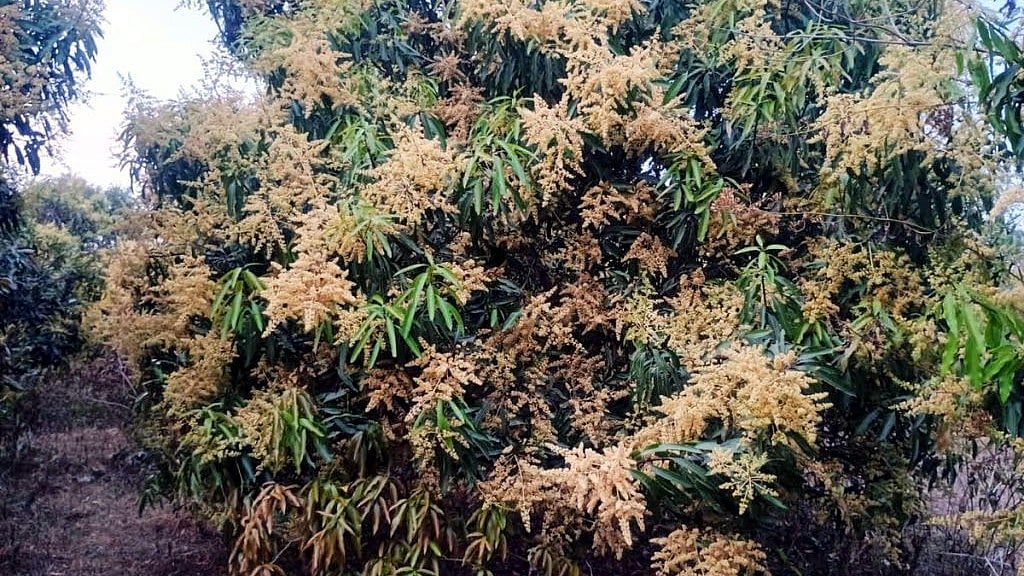
A drizzle-filled breeze has woken up Bhopal from the dull beds of winter, reminding its residents of the fragrance of the mango-flower season and the buzzing of bees.
This is the time when a man in the autumn of his life reminisces about his salad days. But the drizzle-filled spring is not the time to idle away one’s hours ruminating over the past; it is the season that revives one’s spirits.
The spring rain has figured in Indian literature as well as in Western literature.
Shudrak’s M?acchaka? Ikam, Chaucer’s Canterbury Tales, and TS Eliot’s Wasteland have delineated the beauty and the importance of the spring rain.
The way the Indian and the Western poets have depicted the spring rain differs because winter lasts longer in Europe than in India.
In India, spring arrives in the last week of January and continues until the first week of April.
In the M?cchaka? In "Mricchakatika," the playwright-king Shudrak depicts how a rain-fed storm in the spring unites the love-lorn Charudatta and Vasantasena.
The love story takes place in Ujjain, situated on the banks of the Shipra or Kshipra River, whose transparent water has become an inspiration to many poets.
Scholars differ from each other over whether it is the monsoon storm or the spring rain in M?cchaka?ikam. But the description of the spring festival in the play indicates that it may have been the spring rain.
The dark clouds, however, hint at the oncoming monsoon.
The name of the central female character in the play is Vasantsena. The name symbolizes the beauty of the spring. It suggests the unseasonal rainstorm occurred in the spring.
Such fine weather symbolizes the rejuvenation of love and romanticism. The playwright describes a sliver of flash in the cloudy welkin as a silver ribbon around the breast of Airavata, the elephant of Indira.
The protagonist of the play wishes the storm had lasted for one hundred years. This is because Shudrak treats the rainstorm—maybe unseasonal or unknown to the residents of ancient Ujjain—as the call of love.
As clouds turn into raindrops, Charudatta’s passion grows into love. This is the beauty of the spring rain that Bhopal, a few miles away from Ujjain, is experiencing these days.
Though there is no storm, it is the drizzles that have brightened up the gardens. The white jasmines are smiling with toothy grins like the elegantly decked-out brides. The gardens in the city have stolen the hearts of young lovers.
The Madhu month, as Falgun is also called, is the time to set out of homes and spend a few moments near forests and in parks.
The British poet Geoffrey Chaucer also fleshes out the spring rain in the opening lines of the general prologue to the Canterbury Tales.
“Whan that Aprille with his shoures soote,
The drought of March has perced to the root.
And bathed every vein in such liquor
Of which virtue engendred is the flour;
When Zephyrus speaks with his sweet breath
"...Inspired hath in every holt and heeth..."
He limns how the ‘shoures soot' (sweet showers) of April pierce the drought of March, moving down to the very roots of plants. In India, however, such spring rain generally occurs between the middle of February and the first week of April.
For Chaucer, the spring rain is more than a few drops of water; it is ‘licour’ that engenders power. The spring rain also symbolizes love and rebirth. What happens in M? chaka? Ikam also happens in Canterbury Tales. In both works, the rain goes hand in hand with the storm, breathing life into every bud and shoot. It is a time for spiritual longing.
The spring rain plays the key role in T.S. Eliot’s The Wasteland, which begins with:
“April is the cruellest month, breeding
Lilacs out of the dead land, mixing
Memory and desire, stirring
Dull roots with spring rain.”
For Eliot, the spring rain infuses life into the dull roots. These days, Bhopal is enjoying the spring rain. Eliot’s lines remind the youth and the elderly that they yearn for a spiritual awakening.
Bhopal News: Dog Lover, Aide Arrested For Attacking Woman With Sword